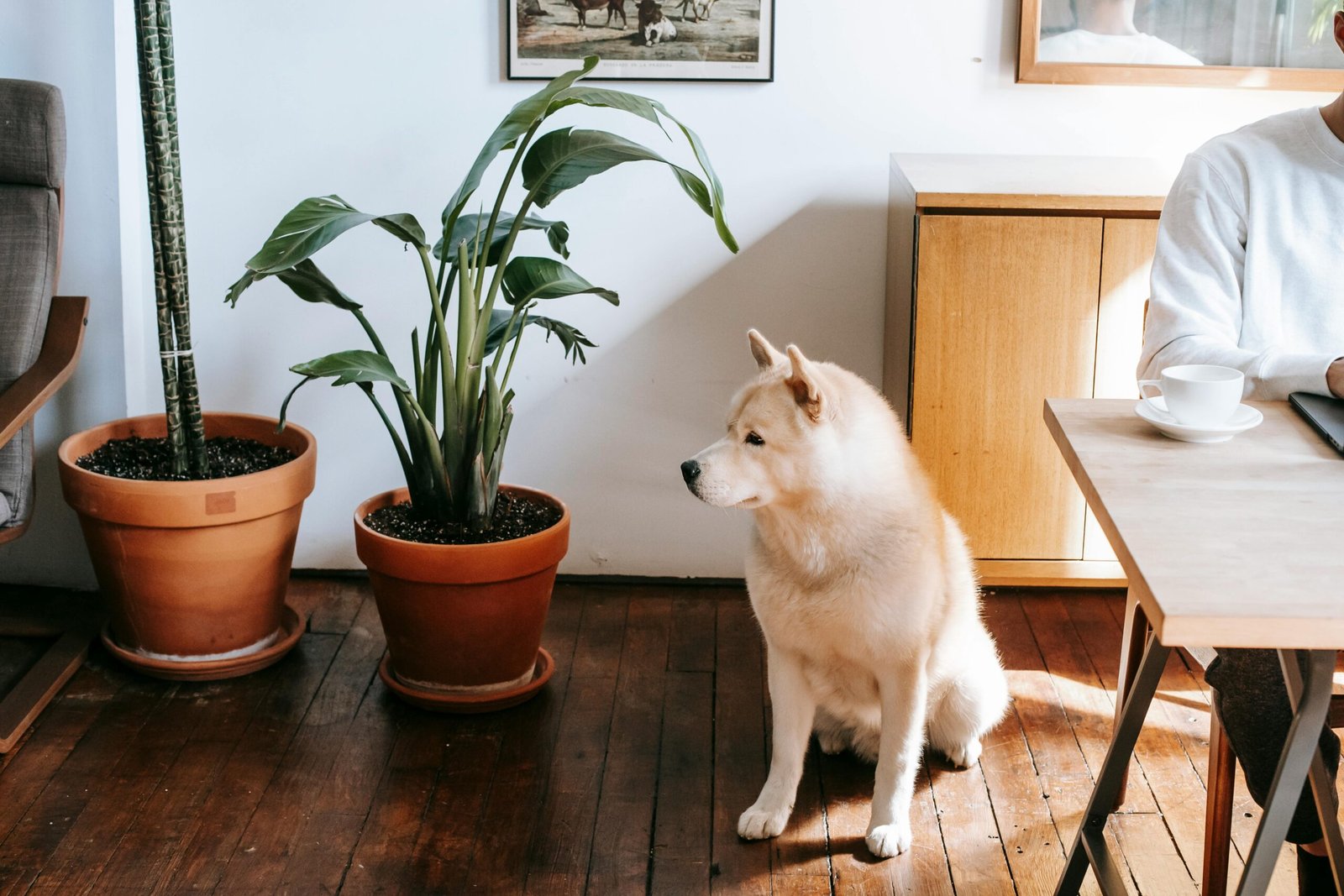
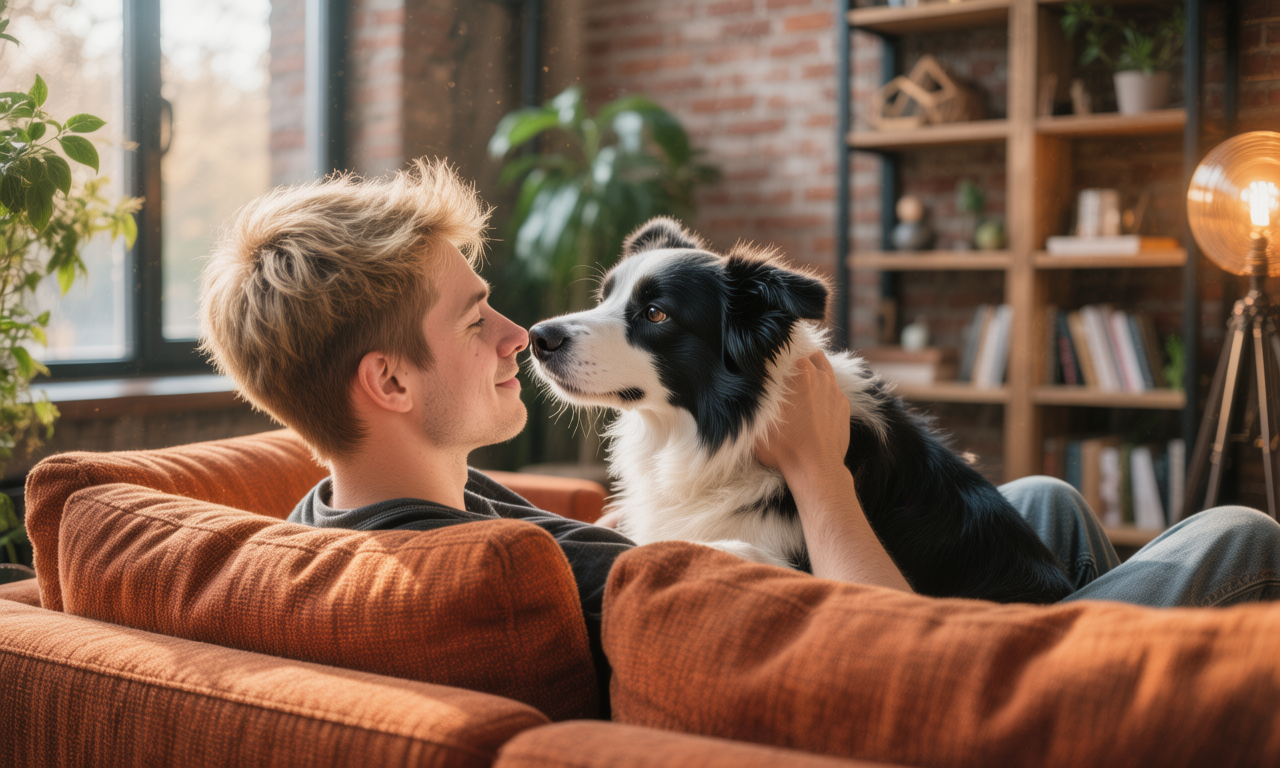
This guide isn’t an encyclopedia.
It’s not a list of 57 things you must do daily.
It’s a realistic, doable approach to apartment dog living that actually works.
Apartment Dogs Don’t Need Perfection — They Need Structure
Let’s clear something up right away:
Dogs don’t need giant yards or nonstop stimulation to thrive.
What apartment dogs really need is predictability.
A consistent routine helps dogs feel secure — especially in smaller spaces where changes feel bigger.
Actionable tips:
- Feed, walk, and play at roughly the same times each day
- Create a “default calm spot” (bed, mat, or favorite couch corner)
- Use short, frequent activities instead of long, exhausting ones
Structure beats square footage every time.
How to Make a Small Apartment Work for You and Your Dog
You don’t need to redesign your apartment around your dog.
But a few intentional tweaks can make a big difference.
Apartment-friendly setup ideas:
- Defined zones: one place to eat, one place to sleep, one place to play
- Vertical storage: baskets or shelves keep toys from taking over the floor
- Non-slip rugs or runners: especially helpful for hardwood or tile
Dogs relax more when they understand their environment — even when that environment includes elevators, hallways, and shared walls.
Walks Matter — But They’re Not the Whole Story
Many apartment dog owners feel guilty about walks.
Here’s the truth:
A 20-minute walk with sniffing, exploration, and engagement is often more valuable than a long, distracted march around the block.
Make apartment walks more effective:
- Let your dog sniff (it’s mental exercise)
- Change routes when possible
- Practice calm leash behavior in hallways and elevators
And remember: indoor enrichment counts as real exercise, too.
Barking, Noise, and the Neighbor Anxiety Spiral
Let’s talk about the thing everyone worries about but no one enjoys discussing.
Most apartment barking isn’t “bad behavior.”
It’s usually boredom, anxiety, or overstimulation.
Ways to reduce barking and noise:
- Provide enrichment before leaving the apartment
- Use white noise or soft background sound
- Teach a simple “settle” cue — even adult dogs can learn this
And a little reassurance:
Most neighbors are far more understanding than we imagine, especially when they see you actively working on solutions.
You’re Allowed to Enjoy Apartment Dog Life
Apartment dog living shouldn’t feel like a constant apology tour.
You’re allowed to:
- enjoy quiet days at home
- laugh at awkward moments
- adjust routines when something isn’t working
Dogs don’t need perfect humans.
They need humans who show up consistently.
🐶 TL;DR — Apartment Dog Living Quick Wins
Short on time? Here’s the takeaway:
- Structure matters more than space
- Consistent routines beat occasional big efforts
- Mental enrichment counts as exercise
- Walk quality matters more than walk length
- Calm environments reduce barking
- You’re doing better than you think